RARE

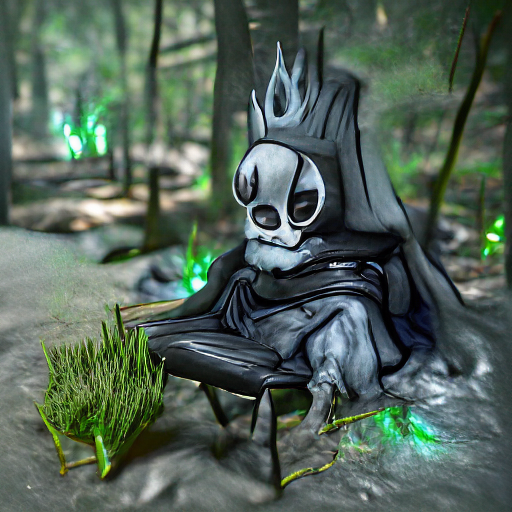
#046 Camp Spirit

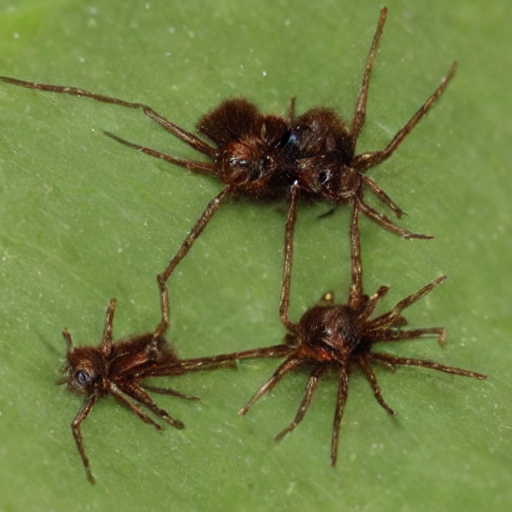
Camp spirits only appear in cases where a human body has been burned alive and left alone. It's unclear how they form, but scientists have narrowed it down to something in the bones reacting to long-term exposure to ashes. They were common during the witch trials and often reproduced through a method of indirect induction, wherein they'd intentionally cause mischief that led to suspicions of more witches.

Camp spirits are much rarer nowadays, but not entirely extinct. They've evolved to live much longer and learned a system of governance that allows them to induce new generations through coordinated mischief and subterfuge on nearby human towns.

Release Date February 11, 2022
Sign up for a free account to claim this creature as your own.

Discover other creatures

Explore an endless universe of ficticious life on NovelGens.
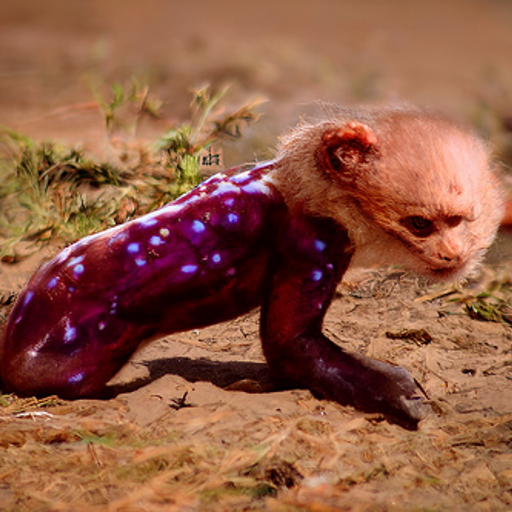
COMMON

#200 Norpin

Norpins are small, fluffy creatures that resemble a cross between a squirrel and a mouse. They have short, spindly legs and a long, windy tail, and their bodies are covered in soft, brown fur. This little creature is notable in nature for having n...

RARE

#135 Lononin

Lononins are strange, trans-dimensional birds that are infamous for their ability to teleport anything they touch into another dimension. With no ears, all lononins are deaf. Younger lononins are usually very skittish and shy, often immediately te...

COMMON

#073 Pinbin Snake

Pinbin snakes are totally harmless, almost-friendly creatures. They eat grass, lick rocks for fun, and rarely grow more than a foot long. Their eyes are a delicacy among the rich.

COMMON

#230 Pinlup

The humble pinlup is a delightful breed of small animal common in wild areas near human settlements. It's a popular activity for parents to bring their kids out to play with pinlups, providing them with bread and berries to eat; in return, pinlups...

UNCOMMON

#156 Salnodist

Salnodists are water-dwelling reptiles that hunt by inching slowly towards their prey and trapping them in their mouths before they can escape. The lower jaw is supported by a flexible bone that allows for a larger mouth. They have no eyes, and in...

RARE

#191 Sabbi san

Sabbi san are a phylum of four-legged microscopic tardigrades first described by Austrian zoologist Robby Saab in 2195, who discovered them in a tainted cave water sample. Sabbi sans move quickly in water or on land with a gait that closely resemb...