UNCOMMON

#299 Galla sprii

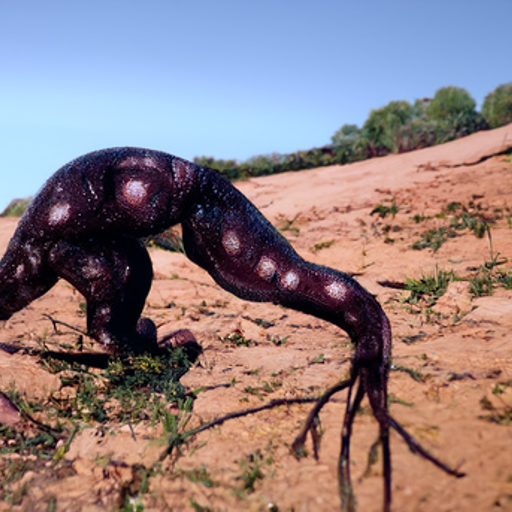
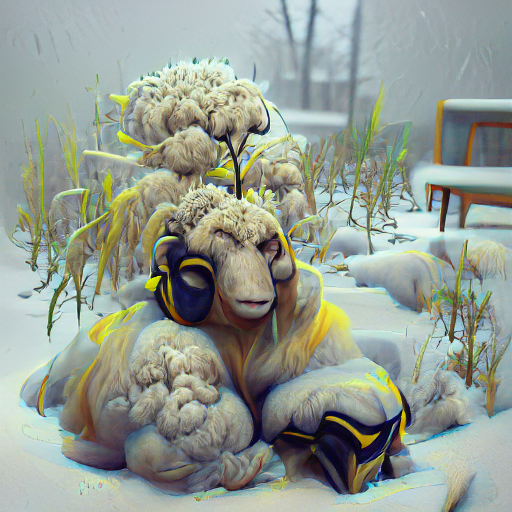
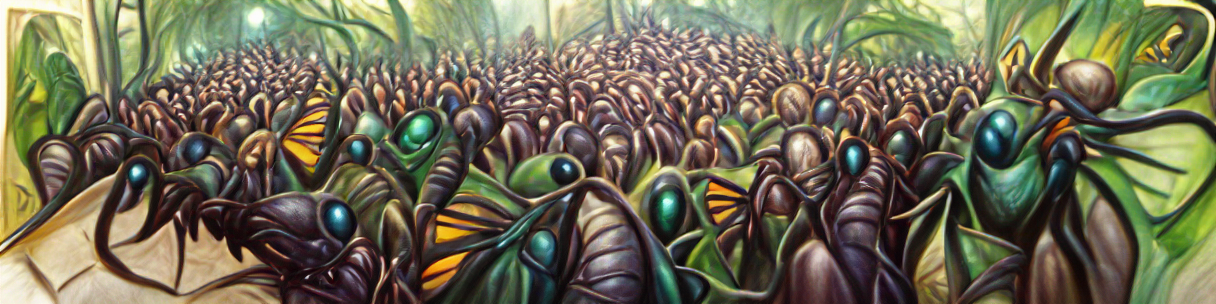
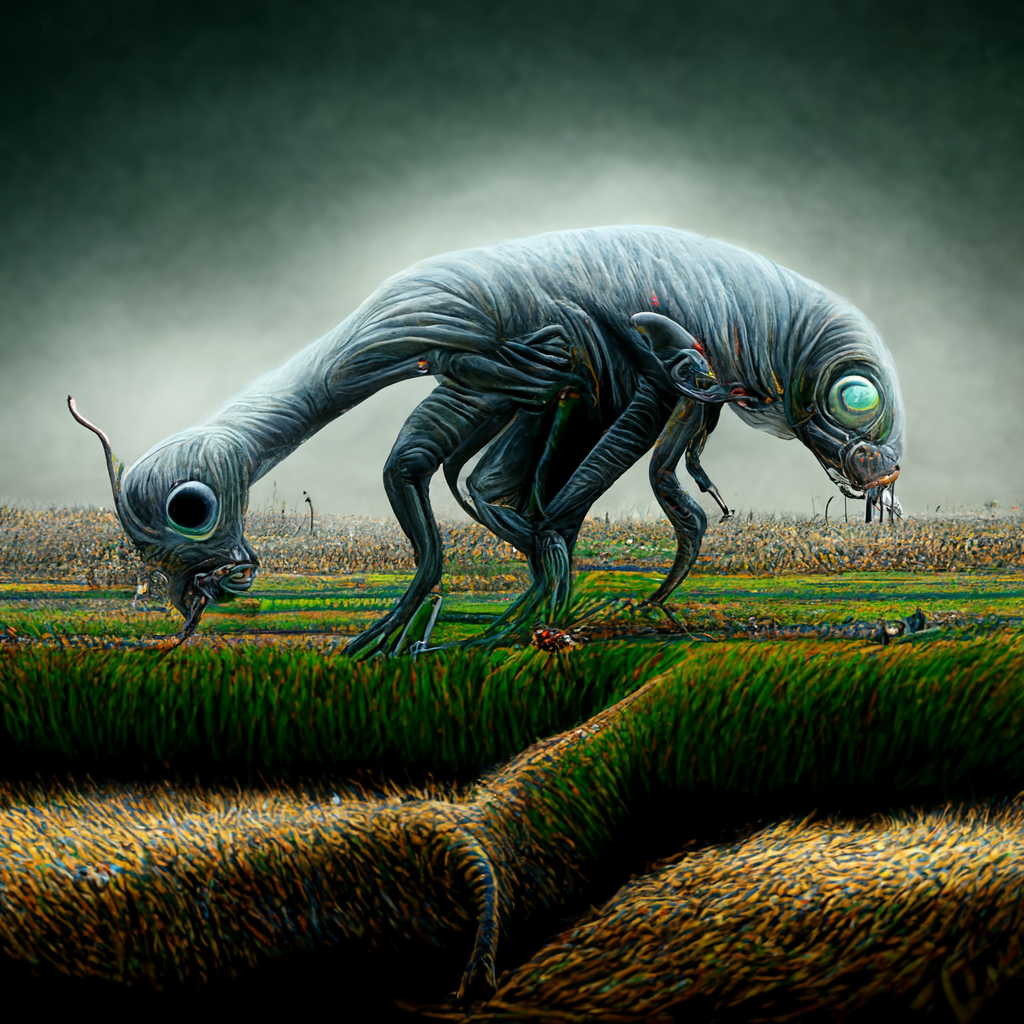
The galla sprii's official origin is unknown, but scientists believe it was genetically created centuries ago for use in agriculture. Galla sprix are hulking, two-headed mammals that keep a strict, independent diet per head. Farmers nowadays use them for a natural cross-cultivation of biofruit after introducing each sprii head to a specific fruit. Galla sprix are then free to roam the fields freely, where they also keep large predators and thieves away.

Release Date October 22, 2022
Sign up for a free account to claim this creature as your own.

Discover other creatures

Explore an endless universe of ficticious life on NovelGens.
UNCOMMON

#081 Eieliez

Eieliezen are knee-high, bird-like creatures that are known for their remote eye, which they can often be seen holding but will also leave behind in their nest to watch their young with while they're out hunting or gathering. Not much is known abo...

COMMON

#093 M'li

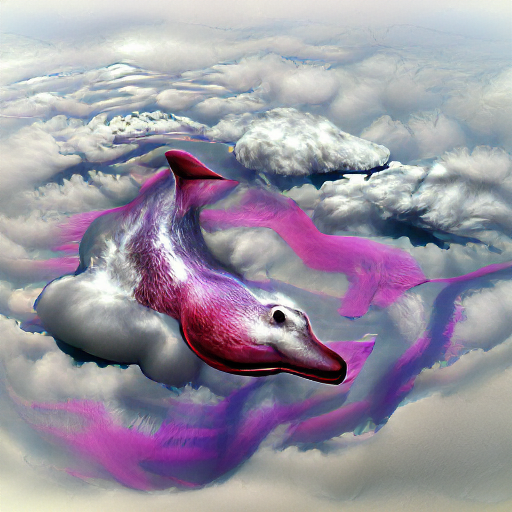
M'li are electrically-charged, gelatinous airfish closely related to the ancient jellyfish of oceans. Fleets of m'li are often cared for by farmers who appreciate the m'li's cross-pollination of battery fields. The electrical current that emanates...

COMMON

#280 Kora

The kora are an aquatic species of intelligent coral common in warmer ocean climates that have historically been an enabler of oceanic human societies in areas they couldn't otherwise exist. Although kora harden into a stony toughness after death ...

UNCOMMON

#194 Grock

Grocks are massive, floating creatures with huge gas pockets in their bodies. They can be found in just about every habitat, but especially in forests and swamps, where they spend their days floating and eating and whistling. As they eat more and ...

RARE

#207 Skeighnog

Skeighnogs are vicious and bloodthirsty creatures from the vast forests of the world. They are small, roughly the size of a small dog but with a long, scaly tail and a bulbous, pouchy stomach. They are predators and will eat anything they can catc...

UNCOMMON

#284 Senjfisk

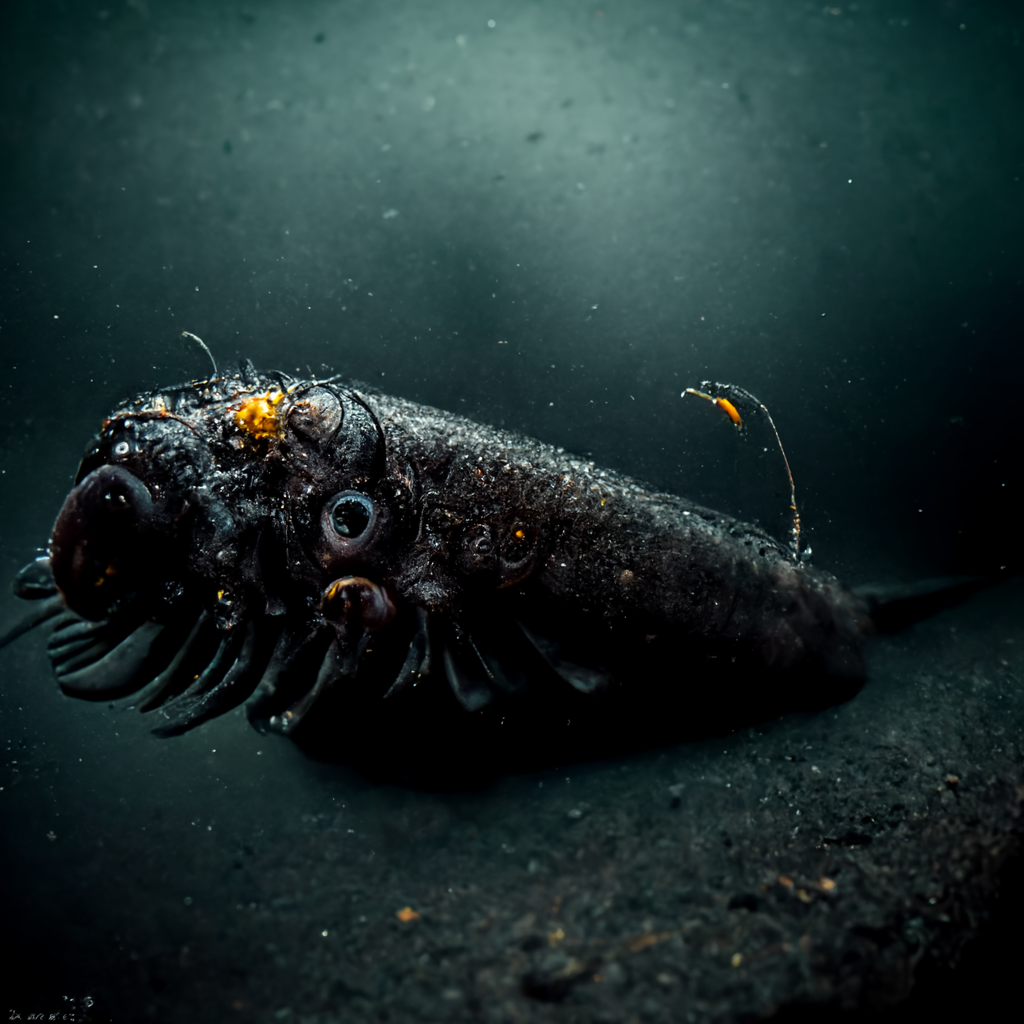
Senjfisk use thousands of microscopic limbs to move sand around them, enabling them to effectively swim through sand and loose dirt. These nocturnal carnivores also undergo a biological stasis while sleeping, which completely stops all but their m...