COMMON

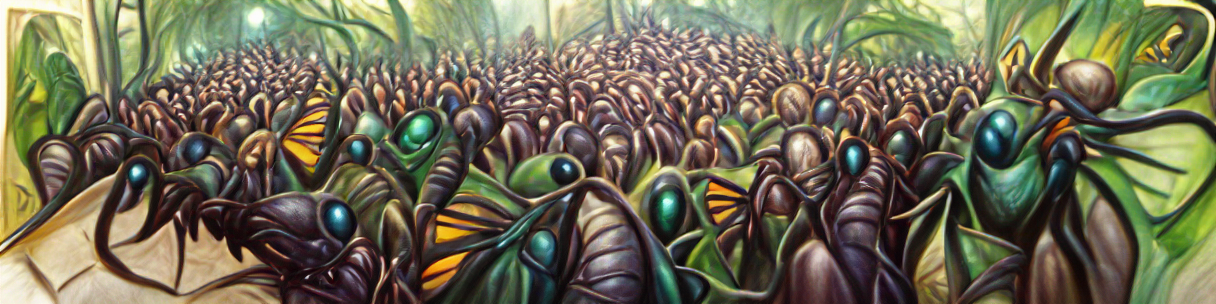
#288 Korod

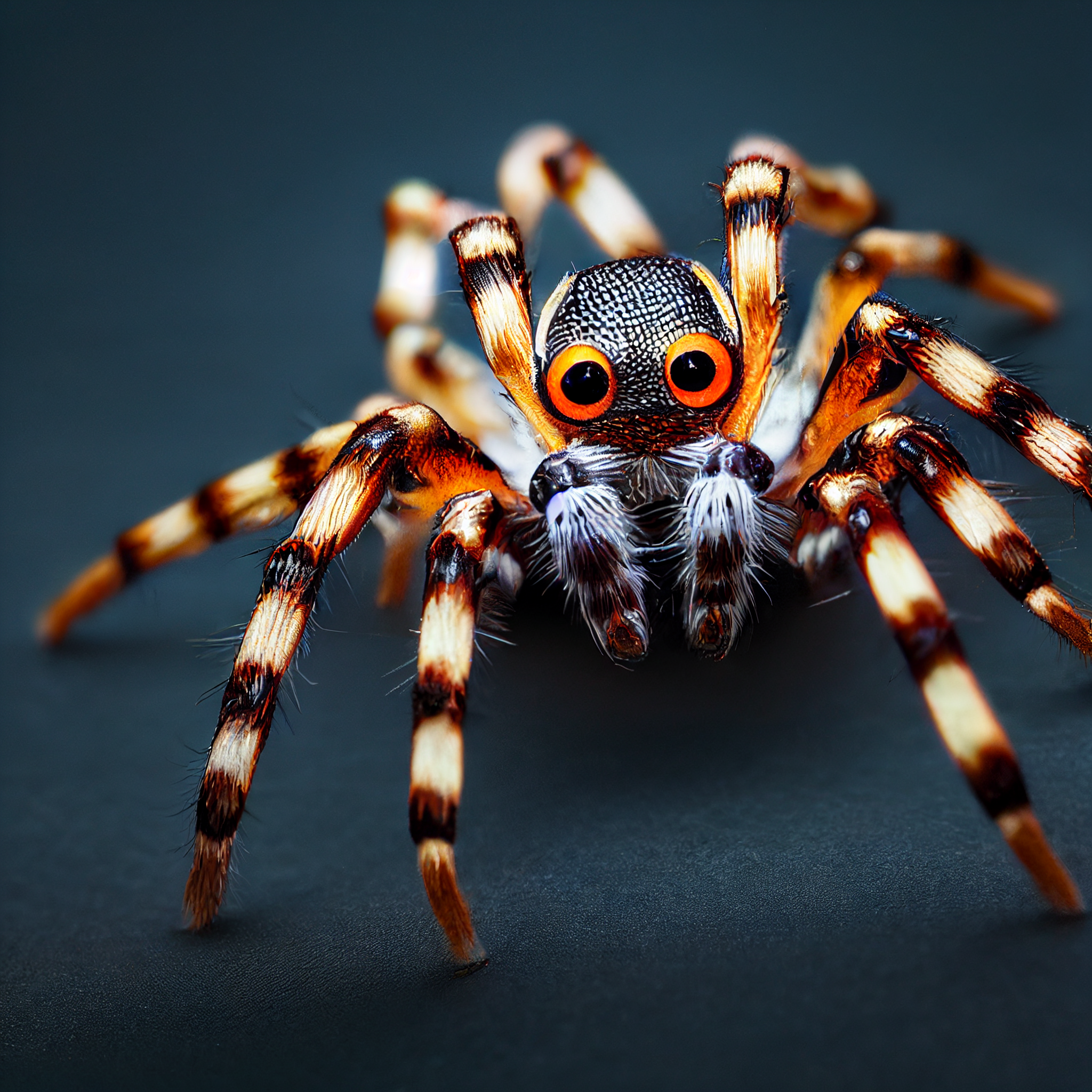
A korod is a large, pale yellow bug with two large eyes and two long antennae. It has a single long leg on the underside of its body and two additional antennae on under its wings. It is an omnivore, eating both meat and plants. The korod is blind, deaf, and mute, but it has a keen sense of taste, smell, and touch. Korod are capable of walking, running, flying, and swimming.

Found in
Release Date October 11, 2022
Sign up for a free account to claim this creature as your own.

Discover other creatures

Explore an endless universe of ficticious life on NovelGens.

RARE

#179 Zath'og

Zath'ogs are a small, muscular species of warm-blooded reptile. Their skin is a dark green and rough, with microscopic scales all over their body. They are often found in groups of ten or more, communicating through telepathy. They usually eat mea...

COMMON

#146 Forsydifs

Forsydifs are a variant of ant that has evolved to live on the backs of humanoids, from whom they eat dead skin cells. They spend most of their lives crawling between the dermis and epidermis of their hosts and are capable of surviving on just dea...

RARE

#087 Red-eyed Deepsquid

It's a rare occurrence for a red-eyed deepsquid to wash ashore, but certain coasts make a habit of it more often than others. It is unclear how the beached deepsquids we've seen have died, nor is it clear where in the deep oceans they call home. D...

COMMON

#049 Emollo

Emollo are a race of intelligent grub-like creatures that evolved arms and legs while living in gigantic, underground cities. They stand approximately three centimeteres tall and typically live around eighty years, spending approximately half of t...

COMMON

#147 Herling

The herling is a small bird about the size of a housecat. They are mostly harmless, but are often pests because of their tendency to steal and hoard shiny objects. A herling will take any object that catches their eye, including jewelry, coins, pe...

RARE

#191 Sabbi san

Sabbi san are a phylum of four-legged microscopic tardigrades first described by Austrian zoologist Robby Saab in 2195, who discovered them in a tainted cave water sample. Sabbi sans move quickly in water or on land with a gait that closely resemb...