Currently...
Biome Modifiers
Permanent summer
This biome experiences a hot season year-round.
Forbidden
It is against local laws to visit this biome. None are allowed to enter.
Recovering
This biome is recovering from a recent devastation.
Creatures found in the Uitt River
COMMON
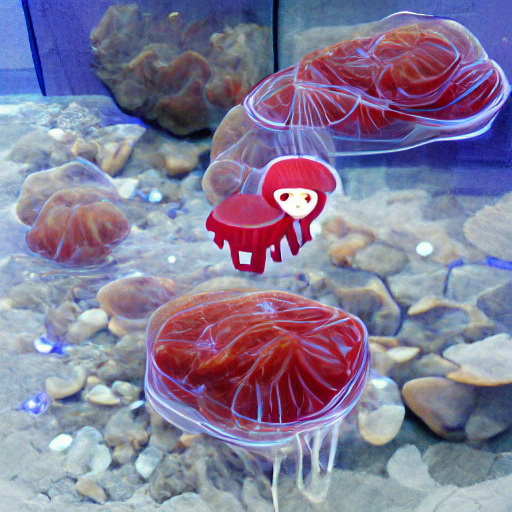
#091 Mouma
Mouma often live among jellyfish herds, but are more closely related to goldfish. Their bright, red coloring is a deterrent to most aquatic predators, although they're squishy and delicious. Mouma are a common pet for schoolchildren because of the expressive, silly faces they ...
#091 Mouma

RARE
#162 Dansi
The dansi is a species of fish that can be found near the water surface in many areas of the world. They have an average length of fifteen inches and an average weight of thirty ounces. Dansis have a very flexible spine which allows them to make rapid turns and twists when try...
#162 Dansi
UNCOMMON
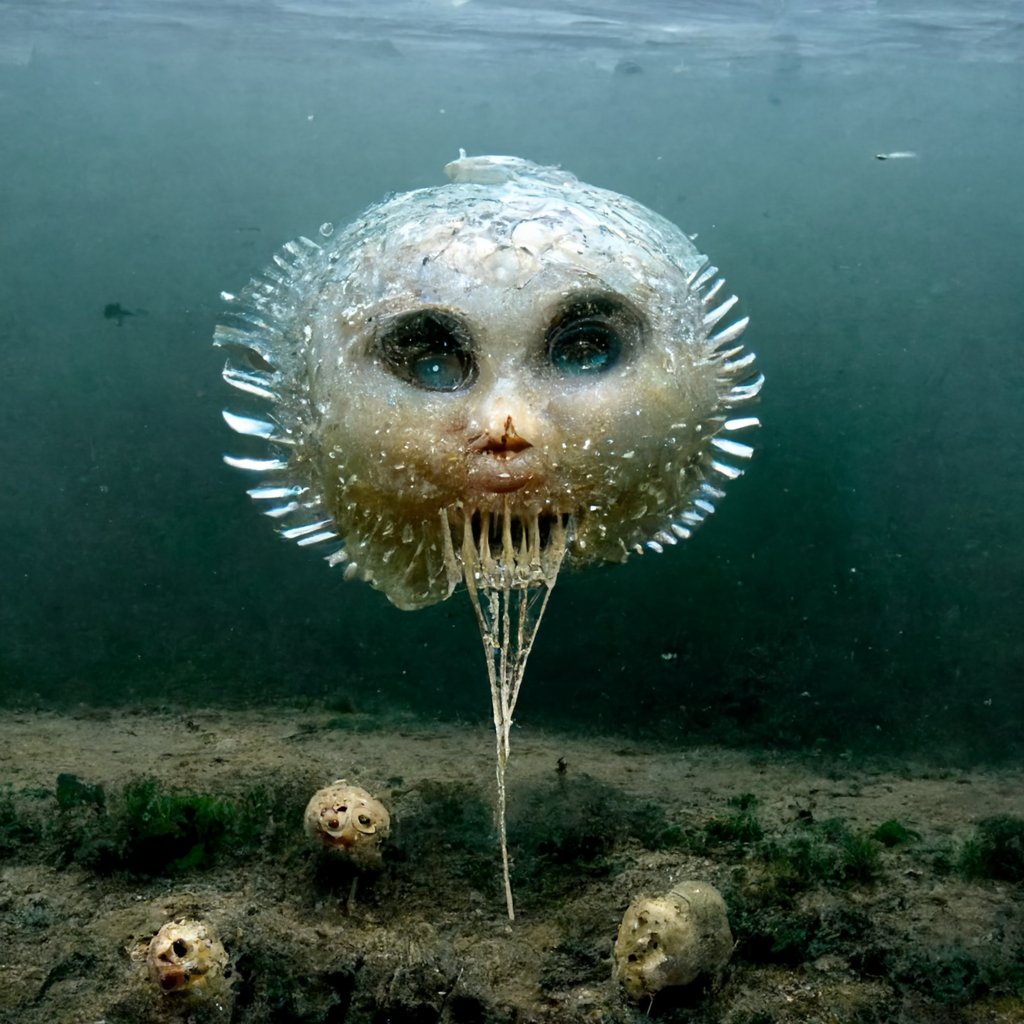
#205 Tramik
Tramik are strange creatures also known as the "pufferfish jellyfish". A tramik has no brains and instead subsists on a diet of ambient radiation and sunlight, so they typically float near the surface of whatever body of water they call home. Tramik are about the size of a bas...
#205 Tramik
RARE
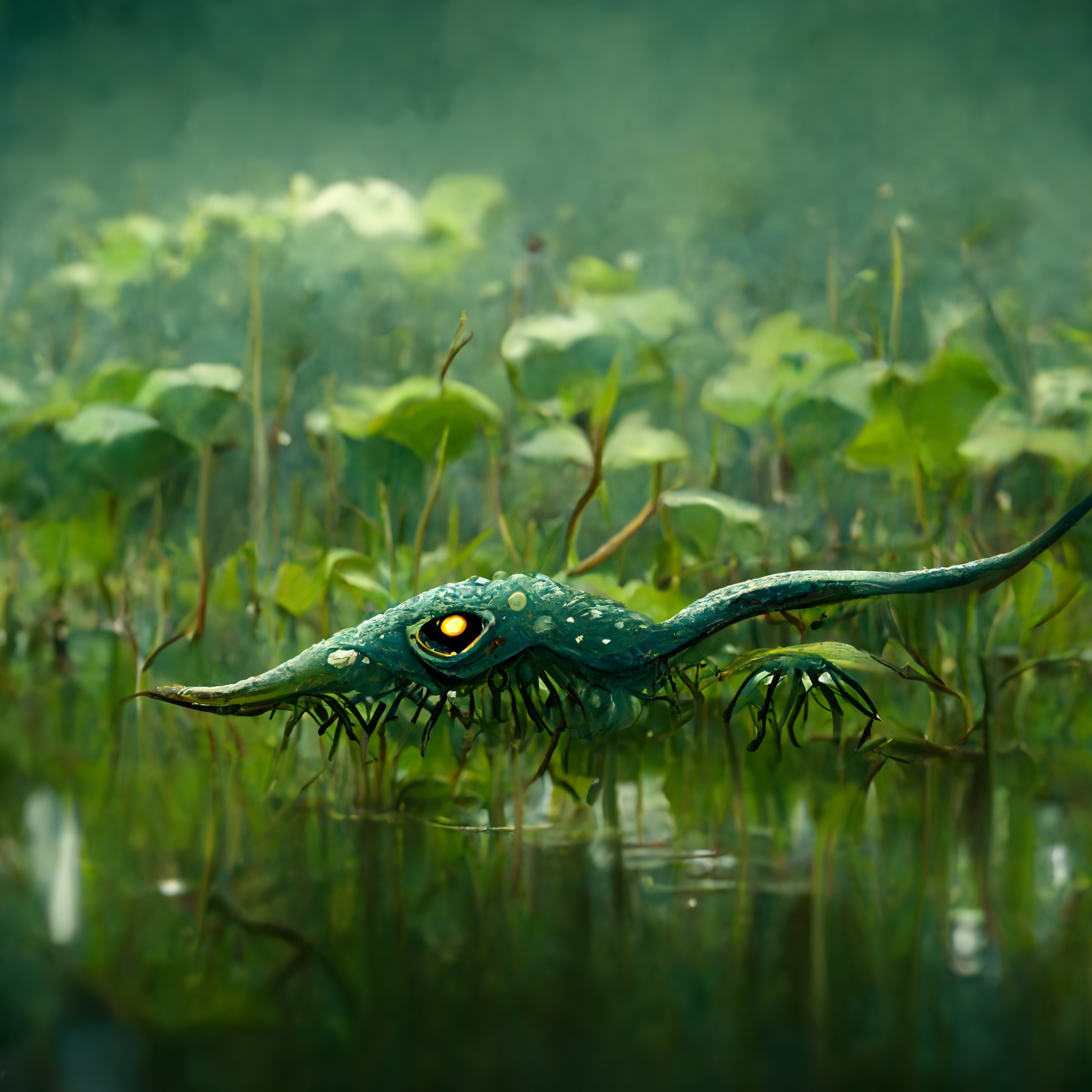
#222 Oltang
The oltang is a large, green, lizard-like creature that inhabits the swamps and wetlands of Oorzh. Being mostly aquatic, the oltang usually only comes to land when it is voluntarily wanting to shed its skin. The oltang has a long, constantly-shaking tail that produces an elect...
#222 Oltang

COMMON
#004 Avahi
Not much is known about where avahis originated, but they migrate in large packs extremely quickly, typically along water-adjacent routes. Their small stature and nimble speed makes them difficult to track and their spiny exterior carapace provides an excellent defense against...
#004 Avahi
COMMON
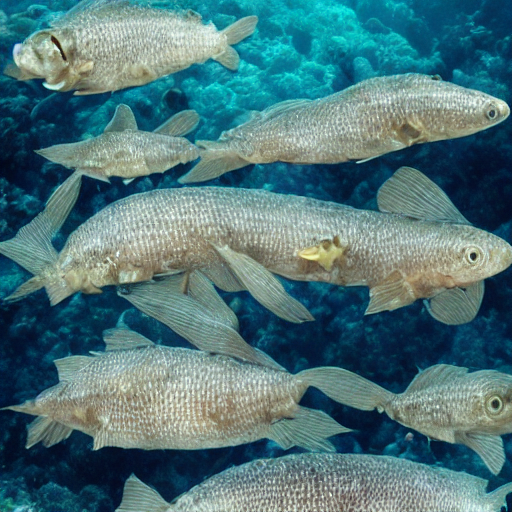
#188 Crysion
Crysions exhibit an interesting physical phenomenon not entirely understood yet by scientists: the refraction of their scales reflects light such that crysions are only visible in water and invisible out of water. After death, the crysion's scales begin a chemical decompositio...