COMMON

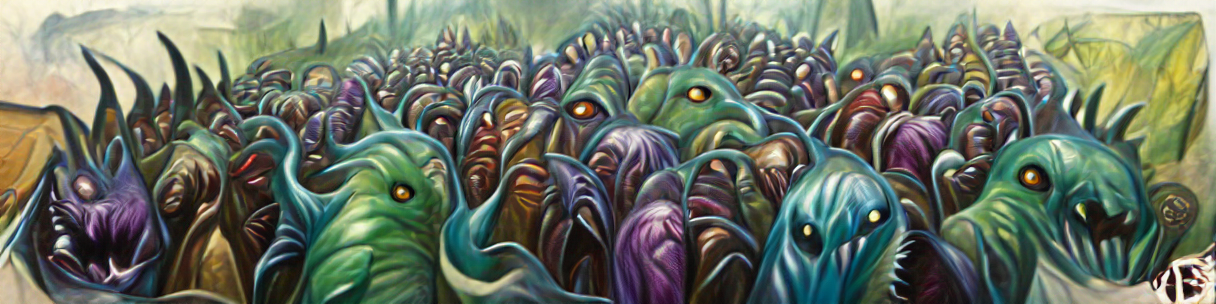
#004 Avahi

Not much is known about where avahis originated, but they migrate in large packs extremely quickly, typically along water-adjacent routes. Their small stature and nimble speed makes them difficult to track and their spiny exterior carapace provides an excellent defense against most would-be predators. If you see one avahi, chances are there are many more avahis nearby; they communicate quietly with hand gestures and whole-body movement.

Release Date December 20, 2021
Sign up for a free account to claim this creature as your own.

Discover other creatures

Explore an endless universe of ficticious life on NovelGens.
UNCOMMON

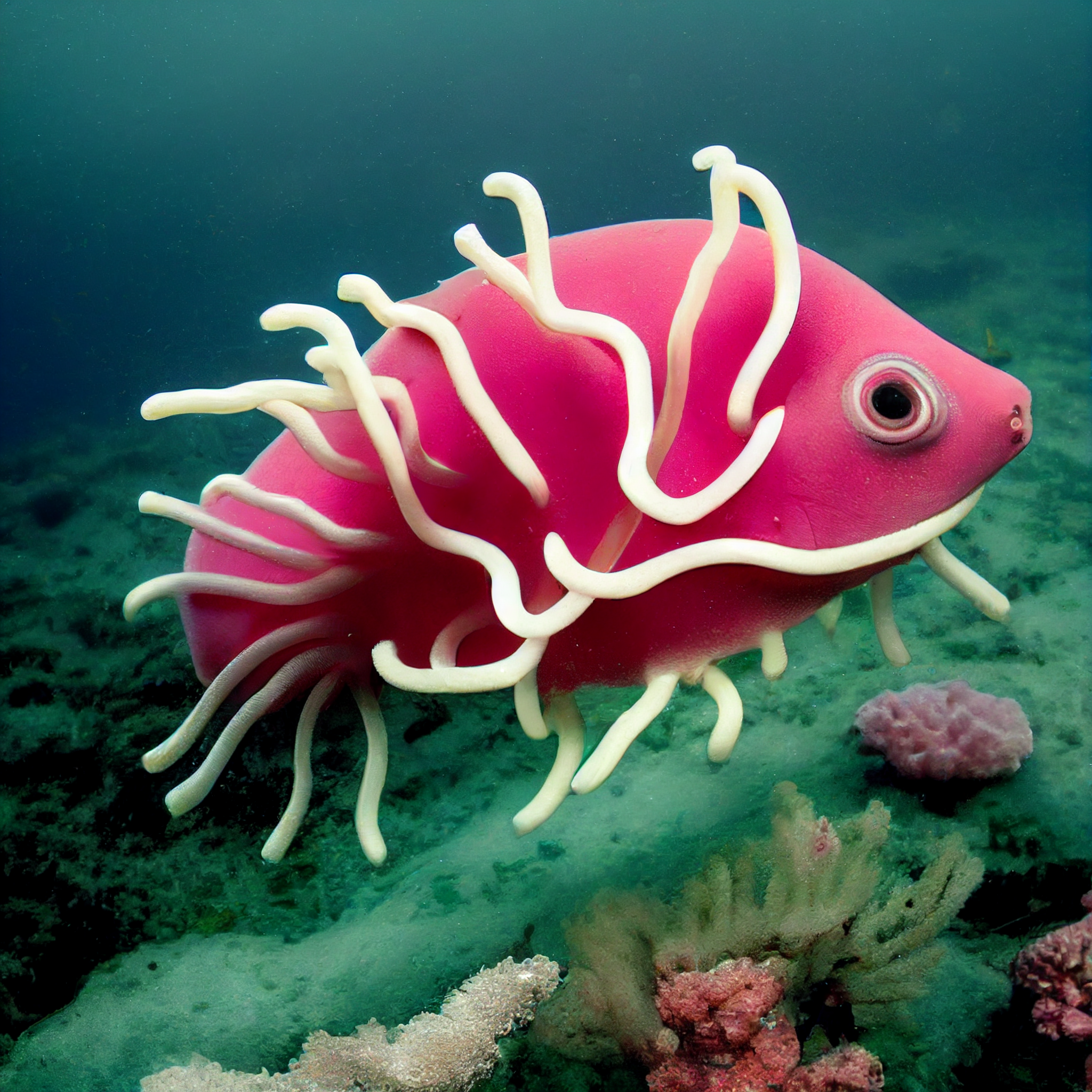
#007 Merm

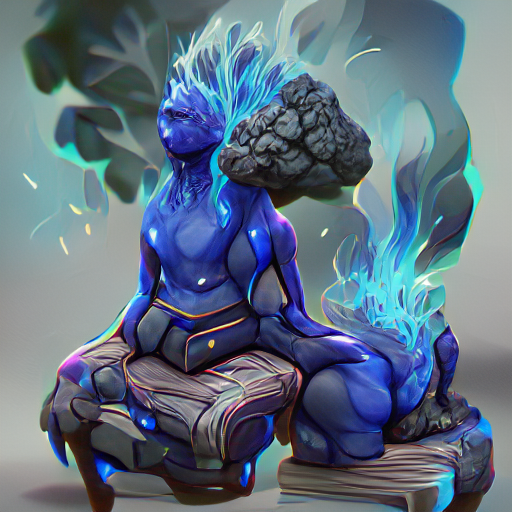
Merms live in small groups, typically in the deepest reaches of the western oceans. They seem closely related to a potential aquatic fork of human evolution, but scientists haven't yet developed a way to communicate with them.

UNCOMMON

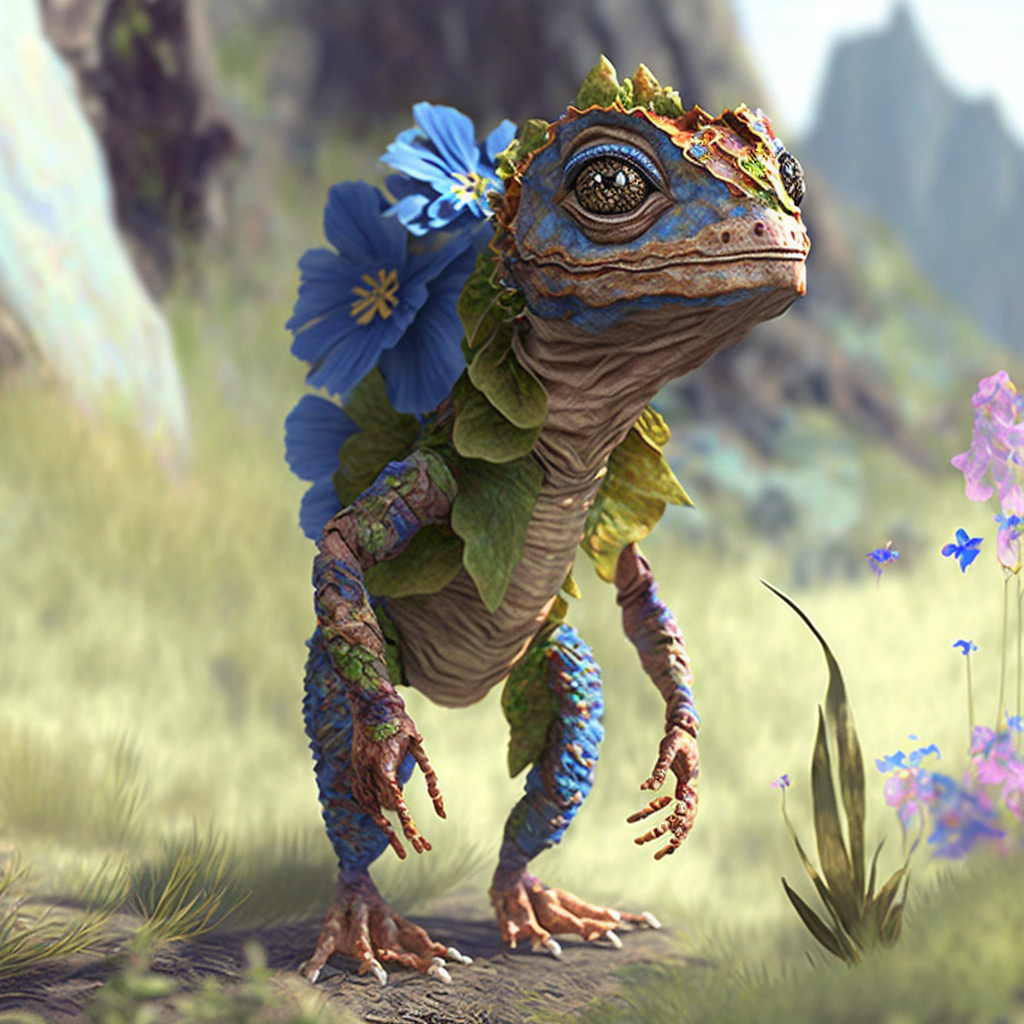
#206 Mooshan

Mooshans are large, furry animals with thick, metallic fur. They live in forests and eat mostly plants, but they also like to hunt mice and other small animals. They are extremely intelligent and can learn to speak a language other than their own....

UNCOMMON

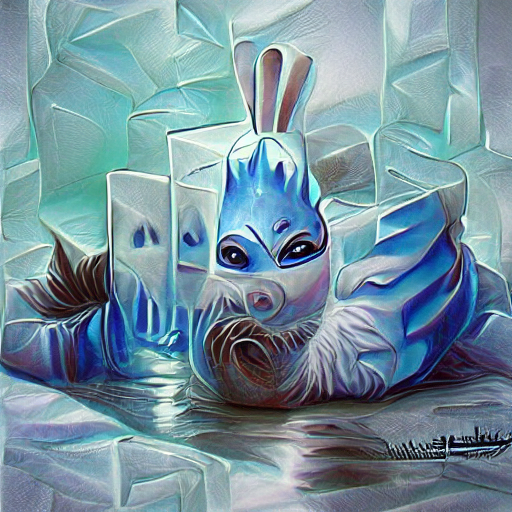
#271 Frost Skrayll

Frost skrayll genetically diverged from the common skrayll during the Great Frosting, where their highly-malleable bodies adapted to changing weather conditions. Frost skrayll secrete a slimy substance that freezes instantly when exposed to air, w...

COMMON

#250 Parloi

Parlois are large, herbivorous reptiles without a face that spend most of their time in the water. They are easygoing, almost to a fault. They will often ignore predators and let them eat them if it means that they can continue to relax. Their fav...

RARE

#267 Groxus

The groxus is the largest known insect in the world. They can grow to be 300 feet long and weigh up to 60 tons. Groxuses are nocturnal, feeding on large mammals and each other. They can be found in forests and deserts throughout the world. Because...

RARE

#355 Vilagoth

Vilagoths are an intelligent species of semi-aquatic jellies. They have large eyes and at least four tentacled arms with webbed microfingers, and they can breathe underwater for up to ten days at a time before needing to resurface. The males have ...