UNCOMMON

#026 Oroch

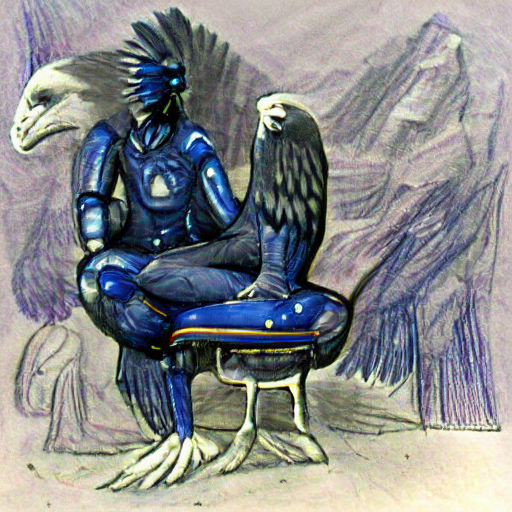
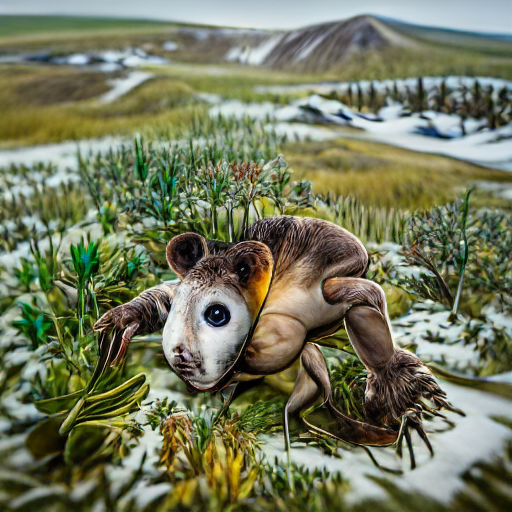
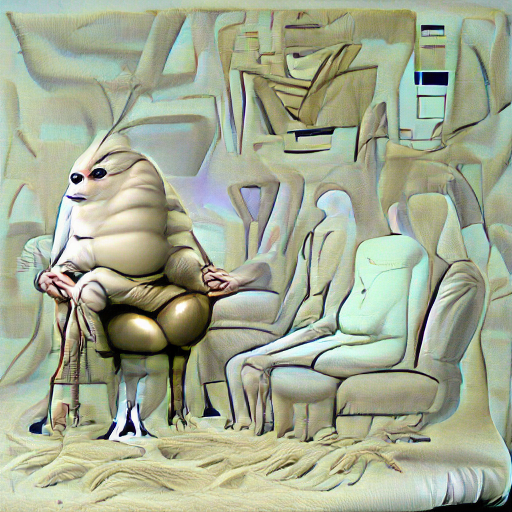
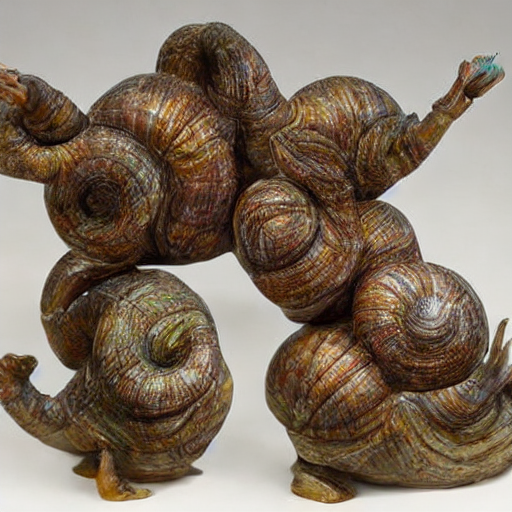
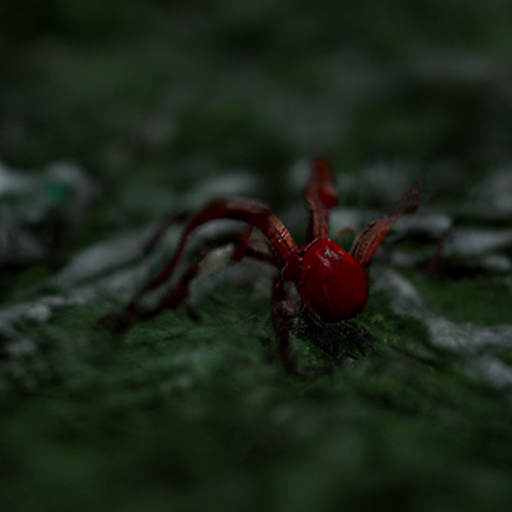
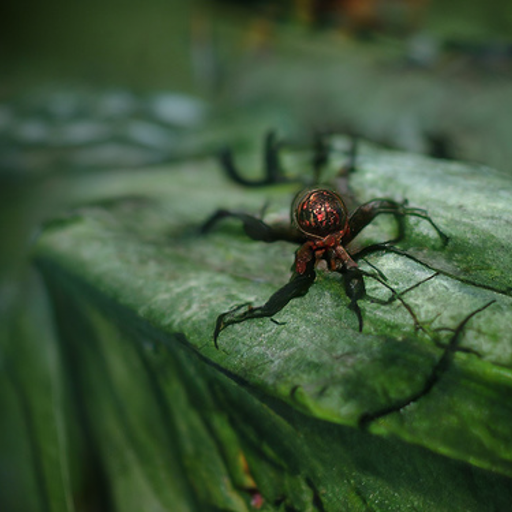
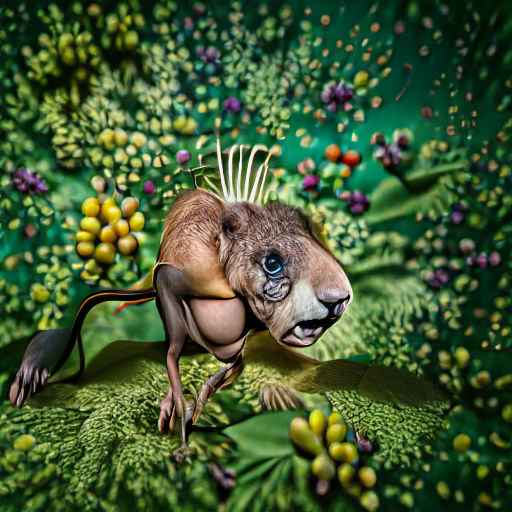
Orochs are more closely related to an octopus or squid than any known spider species, yet are commonly mistaken for spiders. Luckily, their bright-red color serves as a loud warning of how deadly orochs can be due to the way they hunt. Once they've locked onto a target, some orochs can spend weeks following and studying a prey before they strike. The only known deterrent is to leave out a small platter of blueberries, which orochs love.
Release Date January 22, 2022
Sign up for a free account to claim this creature as your own.

by Andrew
♥ 1

Discover other creatures

Explore an endless universe of ficticious life on NovelGens.
RARE

#186 Jaunwix

The rare jaunwix is a hypermaterial metafeline whose origins are unknown. This creature's body flows like water, babbling through brooks and trickling through crevasses like a river, filling whatever space is available. This unstable shape takes t...

UNCOMMON

#075 Vwamil

The first vwamil discovered swam out of a hot springs in a crowded, national park in the winter. The park was immediately shut down for investigation into what the unknown creature was, which then led to the discovery that vwamils commonly live in...

COMMON

#077 Fring

Frings are a species with the ability to change their size at will. Permanent aspects of their society like their homes and businesses are incredibly tiny and can only be seen or used while they're their smallest size, but they often size up when ...

RARE

#196 Fa'gu'leyth

The monstrous fa'gu'leyth is an extradimensional parasite from an unknown source. Initial tests indicate the fa'gu'leyth is capable of infecting native plantlife (especially moss) with a hivemind-like syndrome. It has been determined that the fa'g...

COMMON

#315 Tableu

Tableu are artificial, lab-designed mammal-likes that were designed for domestication into dense populace housing. Tableu are known for their eponymous "table", a hardened appendage on top of their head that they perpetually hold perfectly paralle...

UNCOMMON

#284 Senjfisk

Senjfisk use thousands of microscopic limbs to move sand around them, enabling them to effectively swim through sand and loose dirt. These nocturnal carnivores also undergo a biological stasis while sleeping, which completely stops all but their m...