RARE

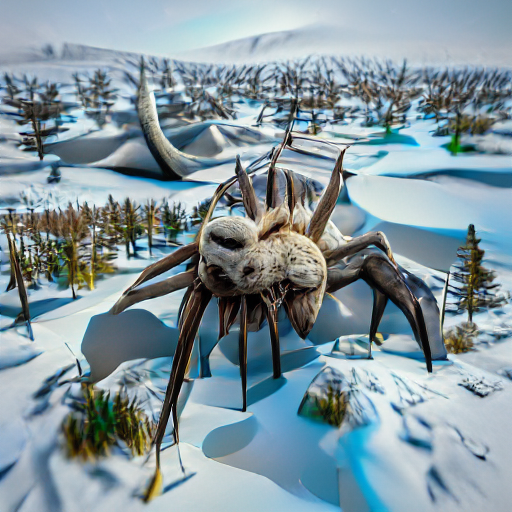
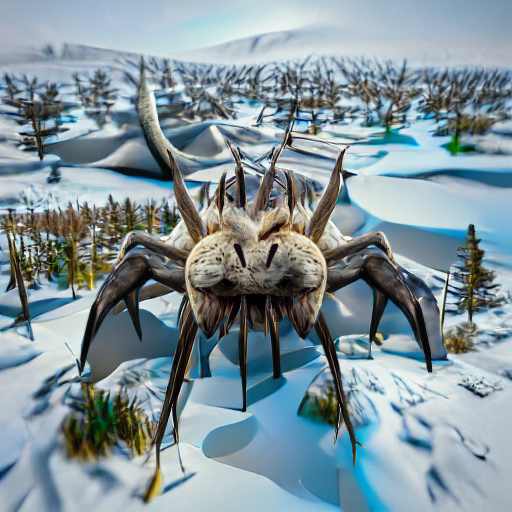
#032 Frestnoch

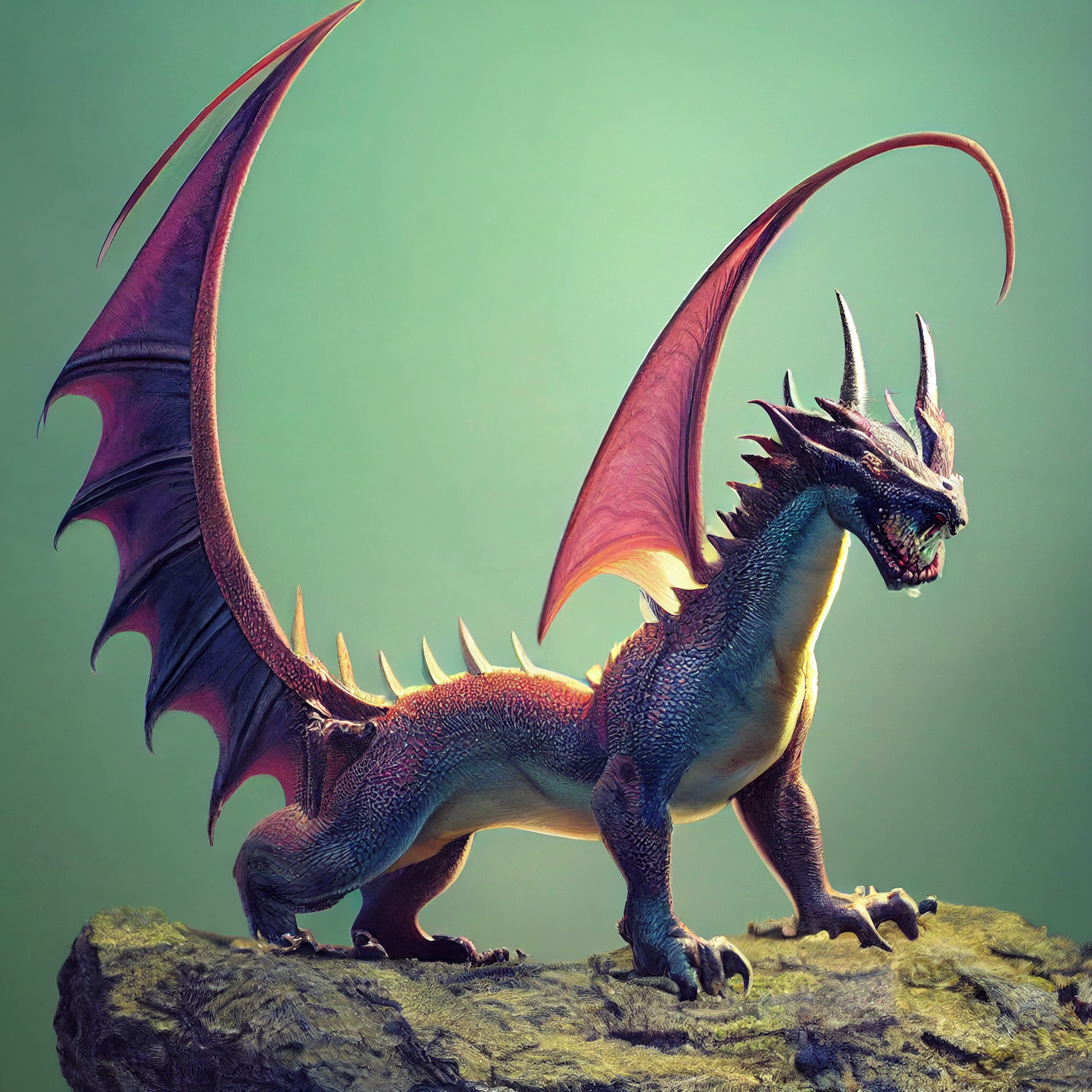
Frestnoches evolved a thick fur across their abdomen to keep them warm in the harsh northern climates and have a varying amount of large, chitinous spikes protruding from their body that they use as tools to survive in the harsh wilderness. They largely eat trees and large bushes, but they also cut down trees to make large, circular piles for their egg nests. After laying their eggs, they'll cover their nest and remain inside to produce the warmth necessary for the eggs to grow, only leaving when necessary to collect more trees for food or when threatened.
Found in
Release Date January 28, 2022
Sign up for a free account to claim this creature as your own.

Discover other creatures

Explore an endless universe of ficticious life on NovelGens.

UNCOMMON

#006 Dune Beetle

Dune beetles are the speedsters of the desert. You wouldn't expect it given their colossal size, but these severely-overgrown bugs can reach speeds of over a hundred miles per hour across flat land. Their flight, however, is much slower and more c...

COMMON

#053 Electrofly

Electroflies are gaseous clusters of friendly, intelligent sublife that often physically get caught in airwave currents or magnetic fields, scattering the cluster in a perpetual cycle of trying to reform the cluster's desired shape and structure, ...

COMMON

#091 Mouma

Mouma often live among jellyfish herds, but are more closely related to goldfish. Their bright, red coloring is a deterrent to most aquatic predators, although they're squishy and delicious. Mouma are a common pet for schoolchildren because of the...

RARE

#191 Sabbi san

Sabbi san are a phylum of four-legged microscopic tardigrades first described by Austrian zoologist Robby Saab in 2195, who discovered them in a tainted cave water sample. Sabbi sans move quickly in water or on land with a gait that closely resemb...

COMMON

#235 Worgant

Worgants are a species of small were-ants that live in packs in the northern forests. They have a symbiotic relationship with the betzkra woodpeckers, who make holes in the bark of trees to get at grubs and other insects, which worgants then turn ...

COMMON

#358 Mollang

Mollang are small marsupials often found throughout wetlands and jungles. They live long lives despite the poisonous fungus that commonly grows on their short fur, which also protects them from most predators thanks to the highly-contagious nature...